
By David Perez
The Growing Weight of Housing Costs
Walking through neighborhoods in eastern Moreno Valley, it’s clear that housing affordability isn’t just a statistic—it’s lived reality. Nearly 60% of renters in our city are spending over 30% of their income just on housing. For homeowners with mortgages, the burden is lower—but the climb to enter homeownership is steep. Homes with three or more bedrooms make up the bulk of our city’s housing stock, making smaller and more affordable options scarce. These conditions hit families, young professionals, and seniors especially hard.
Infrastructure and Equity: More Than Just Roads
In some areas, the housing burden is made worse by failing infrastructure. Vacant lots abound in parts of the valley, yet many of these sites are overlaid with dirt roads that get muddy when it rains, missing sidewalks, or unreliable water systems. These gaps don’t just inconvenience residents—they affect access to public services, transit, and even job opportunities.�Lack of basic infrastructure yields inequality in plain sight.
Breathing Unequal Air
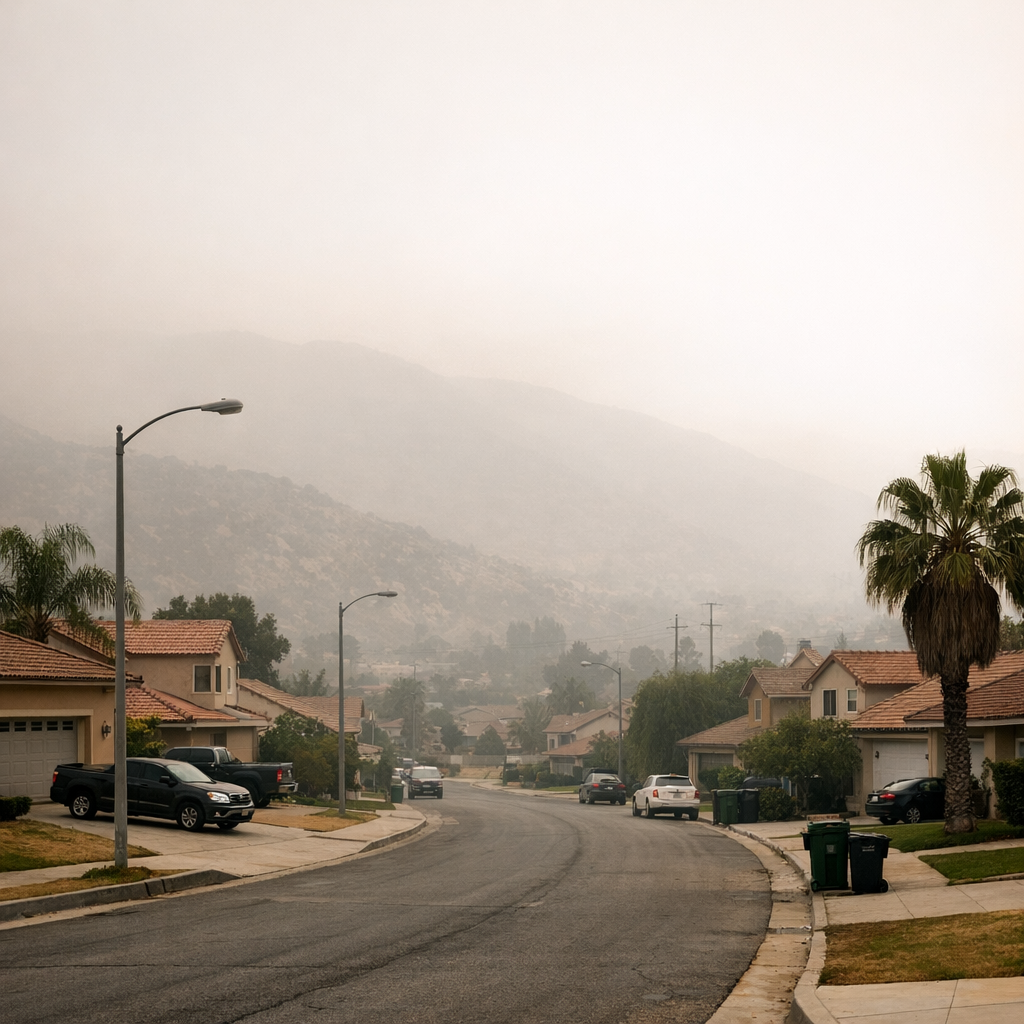
Air quality is widely discussed in state reports, but in our community, it is personal. In western Moreno Valley—heavily influenced by industrial development—many families report chronic health problems linked to air pollution, especially ozone and particulate matter. These environmental conditions are not evenly distributed. Communities of color and lower-income neighborhoods face the most exposure, and suffer compounding effects—especially when those homes are also rented, overcrowded, or poorly insulated.
Why This Matters for Everyone
It might be easy to believe these are problems only some of us face—but they’re woven into the fabric of our city. High housing costs push workers away, making longer commutes and higher emissions a necessity. Poor air quality leads to higher health care costs and missed work or school days. When infrastructure is underbuilt or neglected, trust in local government erodes, and local pride suffers.
What We Can Do Together
1. Demand housing that fits diverse needs. We need smaller homes, mixed-use and multi-family housing so that affordability isn’t a dream locked behind few options.
2. Prioritize infrastructure in under-resourced neighborhoods, with clean water, reliable roads, safe transit and sidewalks—not just in newer developments, but where people already live and struggle.
3. Strengthen environmental justice efforts. Policies should protect communities exposed to pollution, require rigorous review before expanding industrial zones, and push for better air monitoring in vulnerable neighborhoods.
Moreno Valley is made up of many voices. When we talk openly about housing burdens and environmental gaps, we aren’t just asking for better amenities—we’re arguing for fairness, for dignity, and for a city where everyone has the chance to breathe, build, and belong.