
By Christopher Rivera
In Moreno Valley, our weather and local environment do more than set the mood—they play a vital role in our health, safety, and how we plan for the future. From increasingly hot summers to air quality challenges and city efforts to protect resources, it’s worth understanding what’s changing and what’s being done.
Heat and Seasonal Patterns: More Than Just Sunny Days
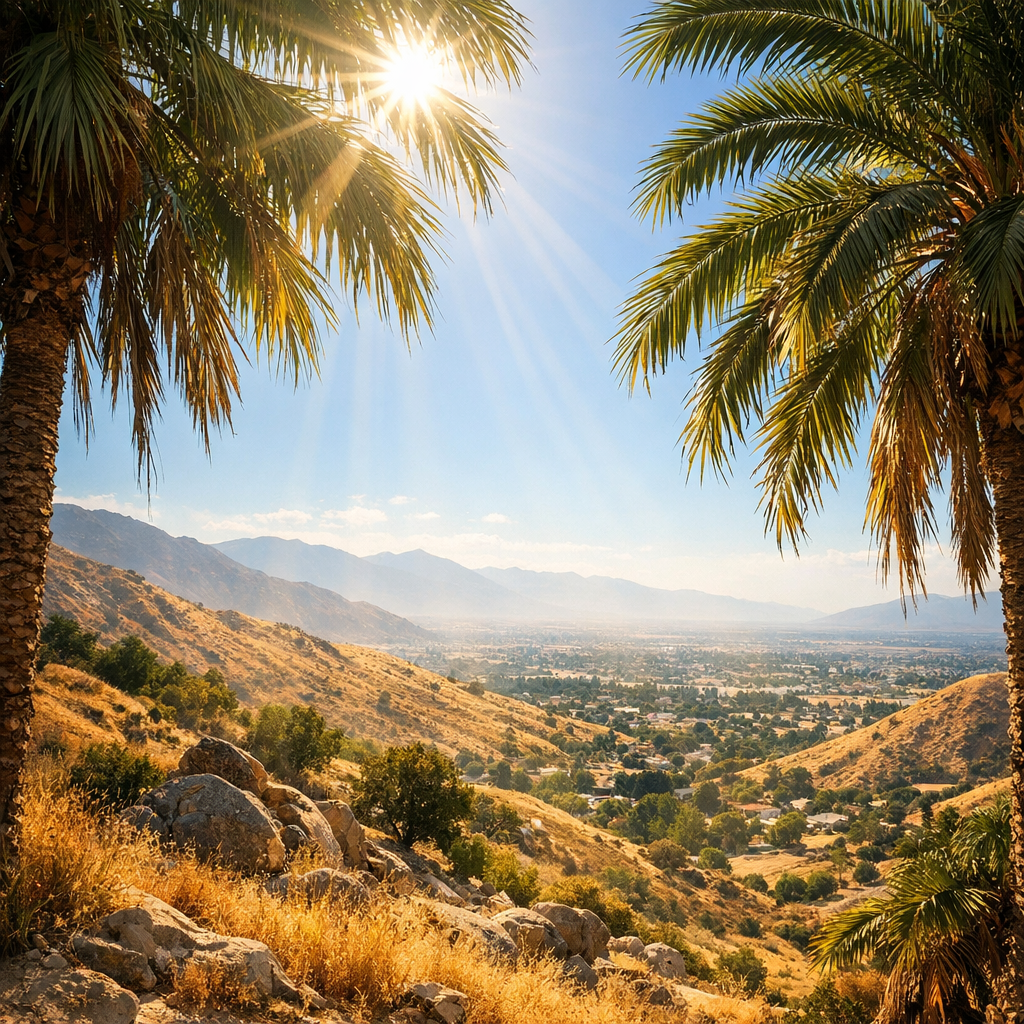
Moreno Valley sits in a semi-arid climate, typical of the Inland Empire. Summers are hot and dry; winters are mild. Typically, July and August bring our highest temperatures, and rainfall is concentrated between late fall and early spring. Though mornings may start cool, afternoons often soar above 90 °F (32 °C). Over recent years, those highs have crept steadily upward, putting strain on our energy systems, public health, and outdoor activities.
One mitigating factor — especially for communities closer to Riverside or elevated terrain — is the occasional marine layer: a cool, low-lying cloud layer or coastal fog that drifts inland in late spring or early summer. It can help tempers cool temporarily but often gives way to intense afternoon heat.
Air Quality, Environmental Justice, and Community Health
Air quality remains one of Moreno Valley’s most pressing environmental concerns. In the city’s western neighborhoods—where population density is higher—residents are more exposed to ozone, particulate pollution, and nearby industrial or transportation emissions. These pollutants can exacerbate asthma, heart conditions, and other respiratory issues.
The concept of environmental justice is central here: not all parts of our city face the same risks. Local studies show that areas with lower income or fewer resources tend to overlap with zones of elevated pollution exposure. That means solutions should target equity as much as environment.
Water, Storms, and Environmental Protections
Even though we don’t get heavy rainfall often, when it does rain the runoff can carry pollutants—oil, trash, chemicals—into our storm drains, which feed local streams and rivers. Moreno Valley manages this through stormwater programs required by state and federal laws. Developers are obligated to follow Water Quality Management Plans so new buildings or big projects include features that prevent runoff issues.
Meanwhile, water conservation remains vital. With hotter summers and variable rainfall, community habits like using drought-tolerant landscaping, fixing leaks, and adjusting water usage during dry spells help preserve the limited supply.
What Residents Can Do
- Stay informed about air quality alerts and adjust outdoor plans when levels are unhealthy. Use masks or limit strenuous activity during bad air days.
- Plant trees where you can—shade can reduce temperatures in your yard and help reduce energy bills.
- Reduce water waste: more efficient irrigation, drought-friendly plants, and mindful household use all make a difference.
- Support green or clean transportation options—carpooling, transit, electric vehicles—to lower emissions.
- Engage in local planning efforts. The city’s General Plan and new Climate Action Plan provide blueprints that residents can help shape.
Looking Ahead
Moreno Valley’s 2024-adopted Climate Action Plan targets reducing greenhouse gas emissions and improving health and equity. Environmental programs like the stormwater management plan and urban forestry help translate those goals into action. How well we adapt—both in policy and in daily life—will shape what our summers look like, how clean our air is, and how sustainable our water supply remains.
As weather patterns change slowly over time, staying aware, involved, and proactive makes all the difference.