
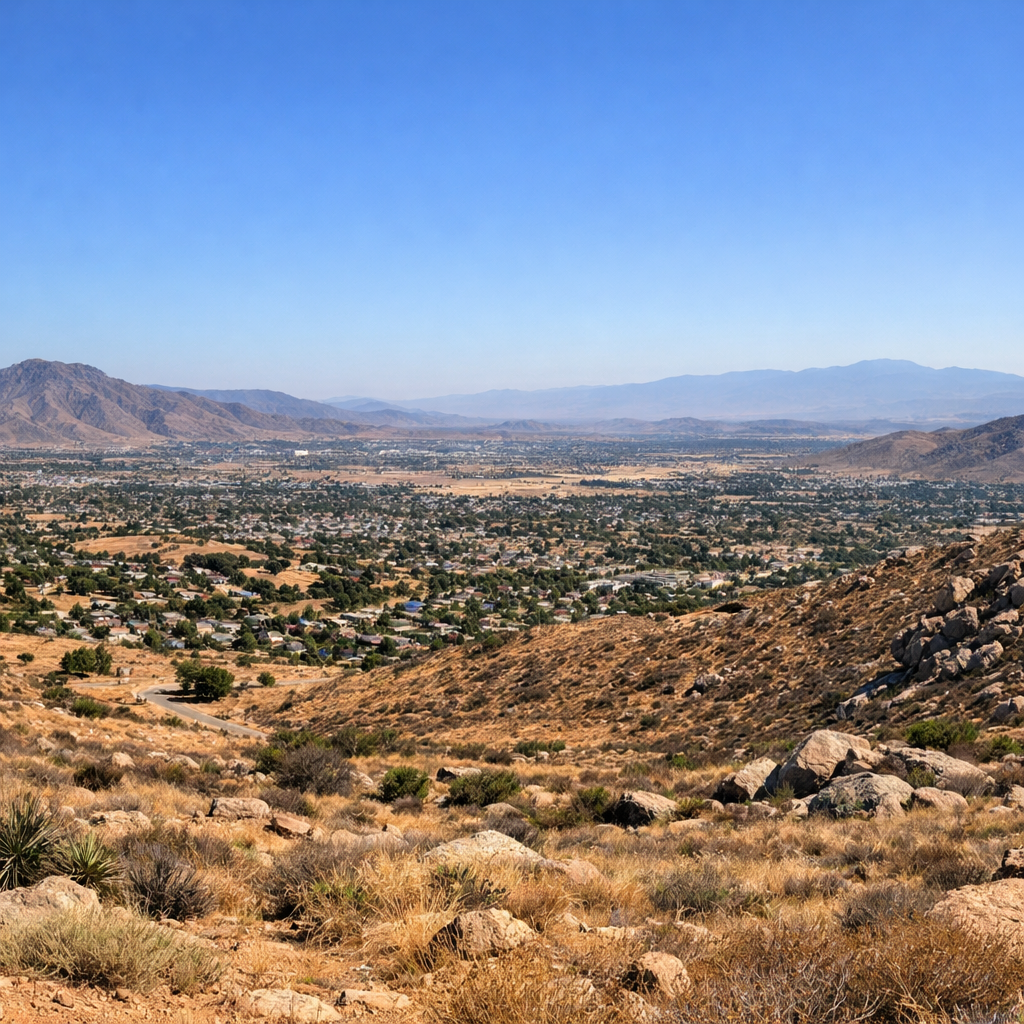
Moreno Valley, located in Riverside County, California, experiences a mild semi-arid climate with Mediterranean characteristics. This climate is characterized by hot, dry summers and cool, wet winters, offering residents a diverse range of weather conditions throughout the year.
Seasonal Temperature Variations
During the summer months, temperatures in Moreno Valley often reach the high 90s, with many days exceeding 100°F. August typically stands out as the warmest month. Conversely, winter brings cooler temperatures, with December being the coolest month. Historical records indicate that the highest temperature recorded was 118°F in July 2018, while the lowest was 22°F in 1974.
Precipitation Patterns
Annual rainfall in Moreno Valley averages around 12 inches, with the majority occurring during the winter months. December usually experiences the highest average precipitation. The summer months are notably dry, with minimal rainfall.
Environmental Considerations
Moreno Valley’s climate and geographical location contribute to certain environmental challenges. The city ranks among the highest in the state for ozone pollution, impacting air quality. Additionally, the region’s semi-arid conditions necessitate mindful water usage and conservation efforts to sustain the local ecosystem.
Community Initiatives
To address environmental concerns, Moreno Valley has established the Environmental and Historical Preservation Commission. This body considers matters of environmental concern, particularly those related to hazardous materials and waste within or affecting the city.
Understanding Moreno Valley’s climate is essential for residents and visitors alike. By staying informed about seasonal patterns and environmental factors, the community can better prepare for weather-related events and contribute to the preservation of the local environment.